
Insulated Glass
Double- or multi-pane insulating glass units designed to improve indoor comfort, thermal performance and acoustic control.
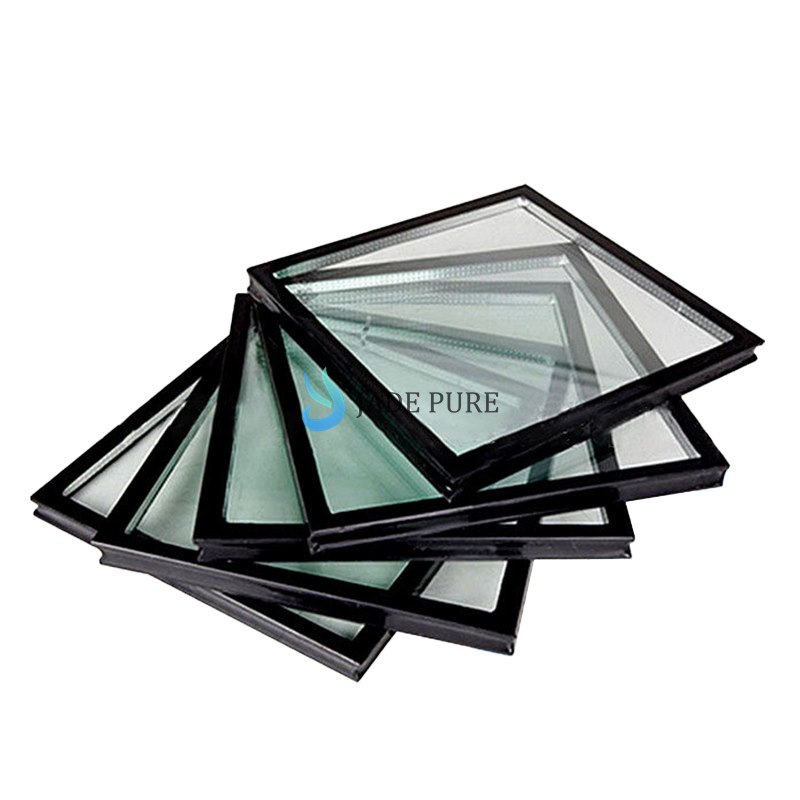
Sealed multi-pane units for thermal and acoustic comfort.
Insulated glass units combine two or more panes with a sealed spacer cavity. The cavity can contain dry air or an insulating gas, while primary and secondary seals help control moisture ingress and preserve the unit.
Performance can be adjusted through pane thickness, Low-E coatings, tinted or reflective glass, cavity width, gas fill, warm-edge spacers and laminated panes. The complete make-up should be selected for climate, orientation, frame system, design pressure and acoustic target.
Configuration options
- Double or multi-pane constructions with project-specific cavity widths.
- Clear, Low-E, solar-control, tinted, tempered and laminated pane options.
- Aluminium or warm-edge spacer systems with desiccant and sealed corners.
- Air or specified gas fill where required by the performance design.
- Decorative grids, stepped units and shaped units subject to technical review.
Design and production notes
- Coating surface position affects thermal and solar performance and must be shown in the build-up.
- Pane thicknesses should be checked for wind load, altitude and temperature-related pressure changes.
- Edge clearance, drainage and compatible glazing materials are important to seal durability.
- Acoustic performance depends on asymmetrical pane thicknesses, cavity design and laminated layers.
- Large units, stepped edges and transportation altitude may need additional review.
Technical overview.
Use this summary to prepare an inquiry. Final values, tolerances and compliance requirements are confirmed in the written quotation and approved drawing.
- Construction
- Two or more panes separated by a sealed spacer cavity.
- Pane options
- Annealed, heat-treated, laminated, Low-E, tinted or coated glass.
- Spacer options
- Conventional aluminium or warm-edge systems by specification.
- Cavity options
- Dry air or specified insulating gas; width selected by design.
- Common uses
- Windows, curtain walls, skylights, doors and climate-controlled buildings.
- Quotation input
- Full make-up, coating surface, cavity, gas, spacer, size, quantity and destination.
Frequently asked questions.
These answers explain the normal selection process. Send the project drawing or sample when a definitive technical answer is required.
What is the difference between insulated glass and laminated glass?
Insulated glass uses a sealed cavity for thermal performance. Laminated glass bonds panes with an interlayer for retention and safety. A pane within an insulated unit can also be laminated.
Can insulated glass improve sound control?
Yes, especially when the panes have different thicknesses or one pane is laminated. The required acoustic rating should be stated so the make-up can be reviewed.
Why is the full glass make-up important?
A description such as double glazing is not enough. Pane type, thickness, coating surface, spacer, cavity, gas and heat treatment all influence performance and price.
Built around your project.
Dimensions, processing and configuration can be reviewed according to the application, drawings, production requirements and destination market.
Multiple glass combinations
Spacer system options
Thermal insulation focus
Sound-control support
Typical applications.
Share your project details with Jade Pure so our team can match the product or equipment configuration to the intended use.
Get a clearer, faster quotation.
Send the following information with your inquiry. Drawings or reference photos are welcome.
START YOUR INQUIRY